
At first glance, choosing a food tour here seems easy. Prices look similar, durations don’t vary much, and nearly every listing promises “authentic Greek food.”
But once you look closer, the differences become obvious — and they matter. Some tours feel like a guided walk with snacks. Others actually help you understand the city through food. This guide is built to separate those.
Thessaloniki isn’t a city where you chase restaurants one by one. It doesn’t work like that. Food is spread across markets, bakeries, street corners, and small tavernas that don’t always stand out on a map.
That’s exactly why food tours here exist — not just to feed you, but to give structure to something that otherwise feels scattered.
Quick Answer: What Type of Food Tour Should You Choose?
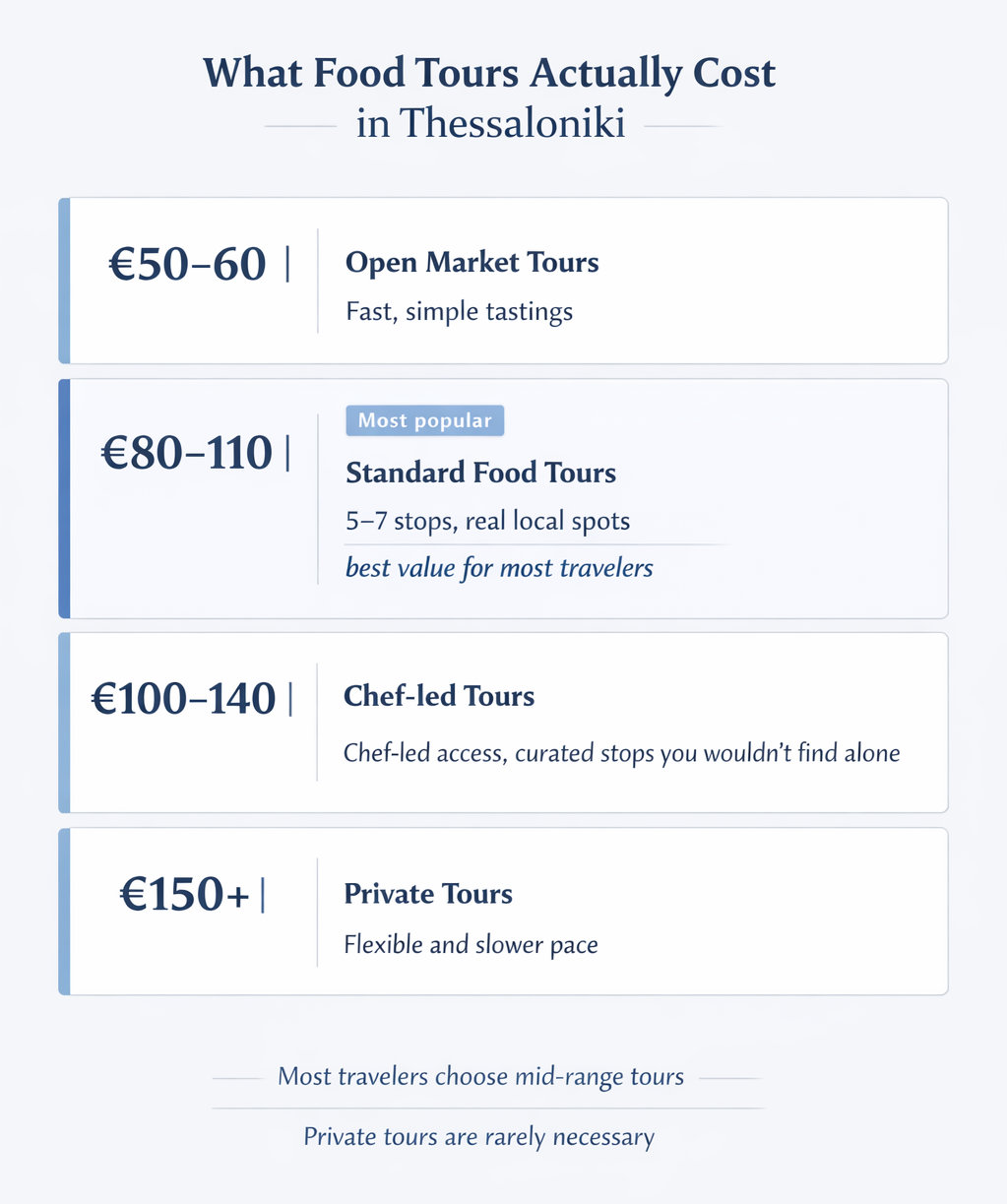
At a glance, most Thessaloniki food tours fall into a few clear categories. The differences are not dramatic, but they are enough to change how the experience feels once you’re actually walking and eating.
| Tour Type | Typical Price | Duration | What You Get | Best For |
|---|---|---|---|---|
| Open Market Tour | €50–60 | ~3 hours | Markets, small tastings, fast pace | first-time visitors |
| Standard Food Tour | €80–110 | 3–4 hours | balanced mix of markets + street food + stops | most travelers |
| Chef-led Tour | €90–130 | ~4 hours | deeper explanation, curated stops | food-focused travelers |
| Private Tour | €150+ | flexible | custom route, slower pace | couples / small groups |
Start with a standard food tour. It gives you the full structure — markets, street food, and a proper introduction to the city — without overcomplicating the experience.
Why Food Tours in Thessaloniki Feel Different
Most cities sell food through restaurants. Thessaloniki doesn’t.
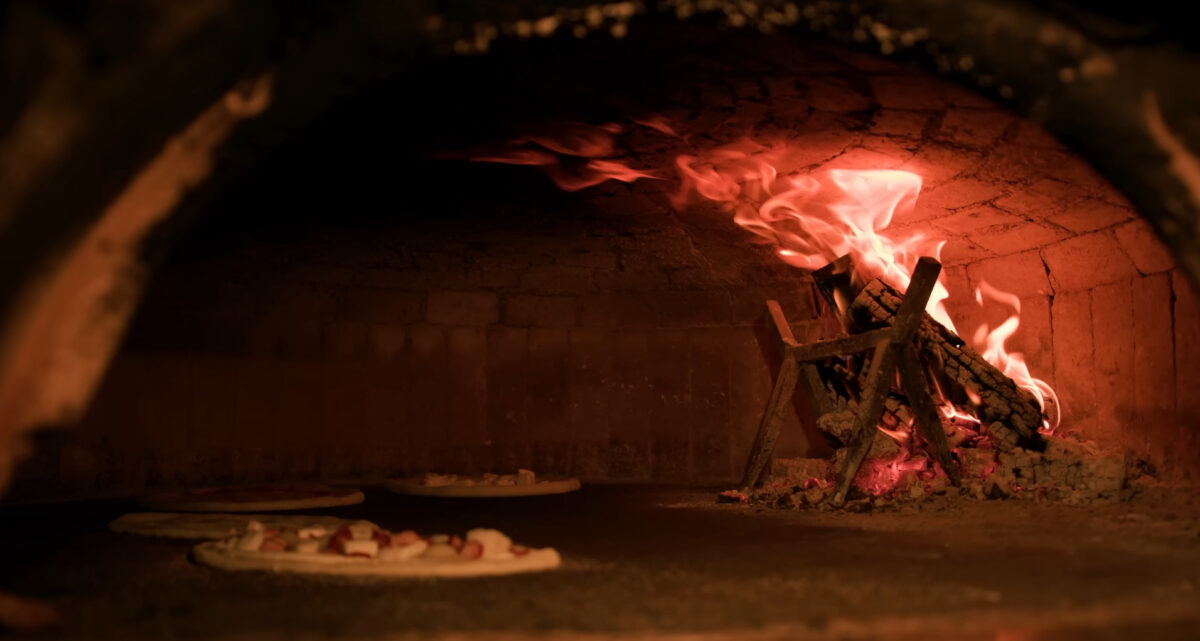
Here, food lives in motion — in open markets, in bakeries that run all day, in streets where people stop, eat, and move on. You don’t sit down once and “have a meal.” You build it gradually, one stop at a time.
That changes how tours are designed.
Instead of taking you from restaurant to restaurant, most Thessaloniki food tours follow a walking route through the city’s food core — stopping frequently, eating small portions, and layering flavors as you go.
What makes Thessaloniki food tours different:
- they are built around markets, not restaurants
- you eat in multiple small portions, not one large meal
- routes are walkable and concentrated in the city center
- food is mixed with local context, not just tastings
- the experience works best early in your trip
If you expect a seated, structured dining experience, this might feel chaotic at first. But once the route starts to make sense, it becomes one of the easiest ways to understand how the city actually works.
What You’re Really Buying (And What You’re Not)
A food tour in Thessaloniki is not about finding “the best restaurant.” That’s the first thing most people misunderstand.
You’re not paying for premium dining. You’re paying for navigation — someone showing you where to go, what to try, and how the pieces connect.
| Expectation | Reality |
|---|---|
| full meals | multiple small tastings across different stops |
| fine dining experience | markets, bakeries, street food, casual tavernas |
| fixed seating | mostly walking with short stops |
| luxury experience | local, informal, sometimes chaotic |
That difference matters. If you understand it before booking, the experience usually feels much better. If you don’t, it can feel underwhelming — even when the tour itself is good.
And that’s where most of the confusion around Thessaloniki food tours comes from. Not the quality — but expectations.
What Thessaloniki Food Tours Actually Look Like
Despite different names and descriptions, most food tours in Thessaloniki follow roughly the same sequence through the city center.

If you compare different food tours in Thessaloniki, they may look different on paper. Different guides, slightly different stops, different descriptions.
But once you take one — or even just study them carefully — a pattern becomes obvious.
Almost all tours follow the same core route through the city.
They start near the center. Usually close to Aristotelous Square, or a short walk from it. From there, the route moves inward — into the food districts where the city actually eats.
The first stop is almost always a bakery or a quick street bite. Something simple. Something fast. Not meant to impress, just to set the tone.
Then the tour shifts into the markets.
The Market Core: Where Everything Starts to Make Sense
This is the part that defines the experience.
Most tours pass through two main areas: Kapani Market and Modiano Market. Sometimes both, sometimes just one — but the logic stays the same.
Kapani feels raw. It’s noisy, crowded, and a bit chaotic. You’ll see meat hanging, fish on ice, spices, olives, vegetables, everything mixed together. It’s not curated for tourists. That’s the point.
Modiano is different. More structured, more renovated, easier to move through. Still local, but more polished. Many tours use it as a transition point — somewhere between the intensity of Kapani and the calmer food stops that come later.
If you walk these places alone, you’ll probably pass through quickly. Look around, take a few photos, maybe try something small, then move on.
On a tour, it slows down. You stop more often. You taste things you wouldn’t normally pick. Someone explains what you’re looking at — and suddenly it’s not just a market, it’s a system.
After the Markets: Street Food and Short Stops
Once the market section ends, the route opens up again.
This is where most tours start layering in street food — pastries, bread, quick savory bites. Nothing heavy. Just enough to keep building.

You don’t sit for long. You move, eat, move again.
This part of the tour is usually faster. Less explanation, more rhythm. It feels closer to how locals actually eat during the day — not planned, just continuous.
The Final Stop: Slowing Down
Toward the end, most tours settle into one final stop.
Usually a small taverna, or a place where you can sit for a bit. This is where the experience shifts. After walking and tasting in pieces, you finally pause.
This is also where drinks often appear — wine, tsipouro, something local. Not always included, but common enough to expect.
The food here isn’t necessarily better than what you had earlier. It just feels different because the pace changes.
And that shift — from movement to pause — is what makes the whole route feel complete.
Why Most Tours Feel Similar (And Why That’s Not a Problem)
At some point, you’ll notice that many tours list almost identical elements:
-
markets
Kapani or Modiano, sometimes both -
street food stops
pastries, bread, quick local snacks -
multiple tastings
small portions instead of full meals -
a final seated stop
usually with drinks or meze
That’s not a coincidence.
There aren’t dozens of completely different ways to design a food tour in Thessaloniki. The city itself is compact, and the food culture is concentrated in a few key areas.
So instead of reinventing the route, most tours refine it.
The real difference is not where you go — it’s how the experience is paced, how much context you get, and how well the stops connect.
A weaker tour feels like a series of random tastings.
A better one feels like a continuous story.
Where Tours Actually Differ
Once you accept that the route is mostly fixed, it becomes easier to see what really matters when choosing a tour.
Not the list of stops. Not even the exact food.
The differences are subtler.
-
pace
some tours rush through stops, others slow down and explain -
guide quality
this changes the entire experience more than anything else -
portion size
“tastings” can mean very different things depending on the tour -
group size
smaller groups move easier and feel more natural -
structure
some tours feel connected, others feel scattered
These are harder to see in a listing. But they’re exactly what you end up remembering.
And they’re the reason why two tours that look almost identical online can feel completely different in reality.
Types of Thessaloniki Food Tours (And How They Actually Feel)
On paper, food tours in Thessaloniki are usually divided into clear categories — market tours, street food tours, chef-led experiences, private tours.
In reality, the differences are not always that sharp.
Most tours overlap. A “street food tour” will still pass through markets. A “market tour” will still include street food. Even chef-led tours often follow the same core route, just with more explanation.
Still, the categories are useful — not because they define completely different experiences, but because they shift the emphasis.
Open Market Tours
These are usually the most direct version of the experience.
You move quickly, you stop often, and most of the focus stays inside or around Kapani and nearby streets. The food is simple, portions are small, and the rhythm is steady.
There’s less storytelling and more movement. You see a lot, you taste a lot, but you don’t stay anywhere for long.
If it’s your first time in the city, this type works well. It gives you orientation without overloading you.
Standard Food Tours
This is what most people end up booking, even if the tour isn’t labeled that way.
The structure is more balanced. Markets are still central, but there’s more time spent explaining what you’re eating, and the transitions between stops feel smoother.
You’re not just moving — you’re starting to understand why things are where they are.
Portions also tend to feel slightly more substantial here, even if they’re still technically “tastings.”
Chef-Led Tours
These tours don’t change the route as much as people expect.
What changes is the depth. A guide with a food background will spend more time on ingredients, preparation, and local variations. You’ll hear more about why something is made a certain way, not just what it is.
The pace is usually slower. Fewer stops, but more attention at each one.
This works better if you’re already interested in food beyond the surface level.
Private Tours
The route becomes flexible, but only to a point.
You still stay within the same general food areas. What changes is timing — you can slow down, skip things, or adjust based on what you like.
It feels less like a tour and more like walking with someone who knows where to go.
That difference matters more than the actual food.
What You Actually Eat on a Food Tour

One of the most common questions is simple: how much food is there, really?
The short answer — more than you expect, but not in the way you expect.
You don’t sit down to a full meal. You build one gradually.
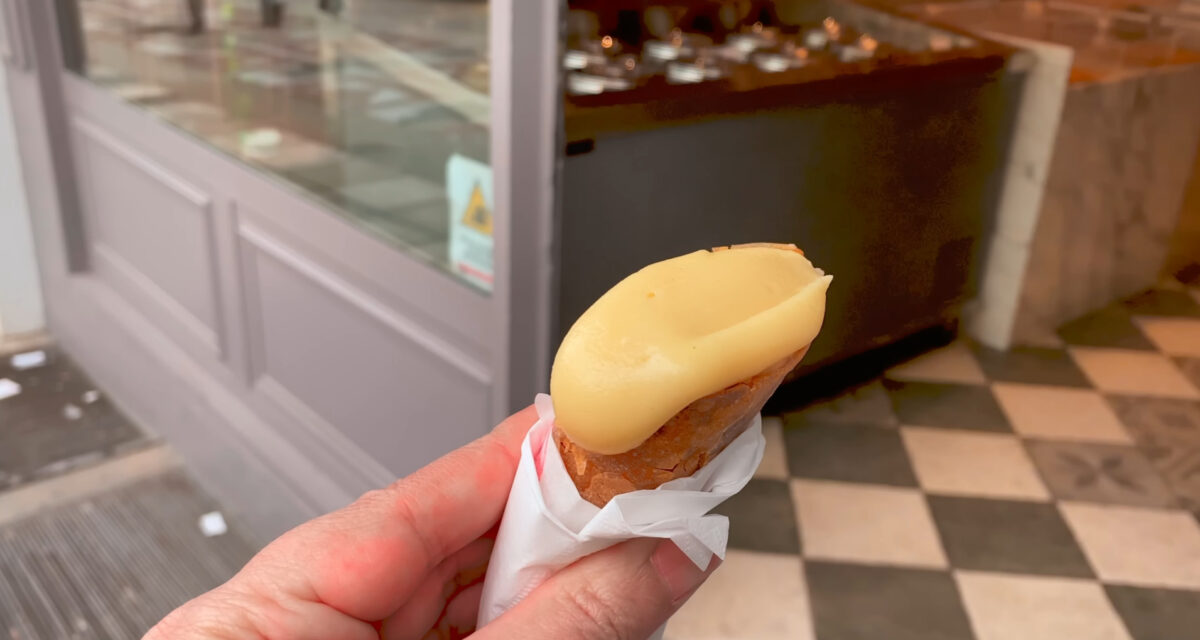
It usually starts with something light. A pastry, a piece of bread, something you can eat quickly while standing. Bougatsa is common here — warm, flaky, filled with cream or cheese.
Then the rhythm picks up.
You move through markets, stopping for small bites — olives, cheeses, cured meats, maybe something cooked on the spot. Nothing is large on its own, but it adds up.
Street food fills the gaps. Koulouri, pies, quick savory snacks that locals eat on the go. These are not highlights in the traditional sense, but they’re part of how the city eats every day.
Toward the end, the food becomes more structured again.
You sit down, even if only briefly. Meze appears — small shared plates, sometimes seafood, sometimes simple cooked dishes. This is usually the closest thing to a “meal” on the tour.
Dessert often comes last. Something sweet, sometimes syrup-heavy, sometimes simple. Not always necessary, but it closes the loop.
How Much Food Is It, Really?
Enough that you shouldn’t arrive full.
That’s the practical answer most guides give, and it’s accurate.
But it’s not about quantity alone. It’s about how the food is distributed. You eat in waves, not all at once.
-
early stops
light, quick, easy to eat standing -
middle section
multiple tastings that build gradually -
final stop
more filling, slower, often shared
By the end, most people feel full — just not in the heavy, single-meal way they expect.
And that difference changes how the experience feels in your body. You’re moving, eating, adjusting, not sitting and finishing.
What People Usually Get Wrong
The biggest misunderstanding is expecting a traditional dining experience.
People imagine sitting down, ordering, eating, moving on. That’s not how these tours are built.
Another common mistake is underestimating how much walking is involved. The distances aren’t huge, but you’re constantly on your feet.
And then there’s timing.
Food tours in Thessaloniki work best earlier in your trip. Not because the food is better — but because everything else makes more sense afterward.
You start recognizing places. You understand what to order. You stop guessing.
If you do it on your last day, it still works. It just feels less useful.
Are Thessaloniki Food Tours Worth It?
In most cases, yes — but not for the reason people expect.
You’re not paying for better food. Thessaloniki already has good food almost everywhere in the center. You can walk into a random bakery or taverna and eat well without much effort.
What you’re really paying for is clarity.
Without a tour, the city can feel slightly disconnected. You move from place to place, but it’s not always obvious how they relate to each other. Markets feel overwhelming. Menus don’t always help. You guess more than you choose.
A good food tour removes that friction.
It gives you a sequence — where to start, what to try first, what comes next, what matters and what doesn’t. Once you see that structure, everything else becomes easier.
That’s the real value.
When a Food Tour Makes Sense
-
at the beginning of your trip
you understand the city faster and waste less time later -
if you don’t want to research
everything is decided for you — route, stops, and food -
if you prefer guided experiences
you get context instead of guessing -
if you’re short on time
you see and taste a lot in a few hours
When It Might Not Be Necessary
-
if you already explore cities through food comfortably
you may prefer moving at your own pace -
if you don’t like structured experiences
even loose tours still follow a route -
if you want full meals, not tastings
this format may feel fragmented
This isn’t about right or wrong. It’s about how you prefer to experience a place.
Self-Guided vs Food Tour
You can absolutely explore Thessaloniki’s food scene on your own.
The city is compact. The main food areas are close together. Nothing is hidden behind complicated logistics.
But the experience is different.
| Self-Guided | Food Tour |
|---|---|
| you decide where to go | route is already structured |
| trial and error | tested stops |
| you may miss small places | you’re guided through them |
| flexible pace | fixed flow, but smoother |
| less context | explanations and local insight |
If you enjoy figuring things out on your own, the self-guided option works well here. Thessaloniki is forgiving in that sense.
But if you want a cleaner, more connected experience — especially early in your trip — a tour usually feels easier.
Who Thessaloniki Food Tours Are Actually For
Not every traveler is looking for the same thing, even if they all end up searching for “food tours.”
In practice, these tours tend to work best for a few specific types of visitors.
-
first-time visitors
you get a fast, structured introduction to the city -
short-stay travelers
you don’t need to spend time figuring things out -
weekend trips
one experience that covers a lot at once -
food-focused travelers
you want context, not just meals -
couples and small groups
easy shared experience without planning
For long stays, the value shifts slightly. The tour becomes less about efficiency and more about orientation — something you build on later.
What to Do Next
Once you understand how Thessaloniki food tours work, the choice becomes simpler.
You’re not choosing between completely different experiences. You’re choosing how structured you want the route to be, how much explanation you want, and how you prefer to move through the city.
Some travelers want a quick introduction and move on. Others want to go deeper and slow things down.
Both approaches work here.
The important part is knowing what you’re booking — and why.